Story of a Butterfly
Told from the point of view of a seven-year-old girl.
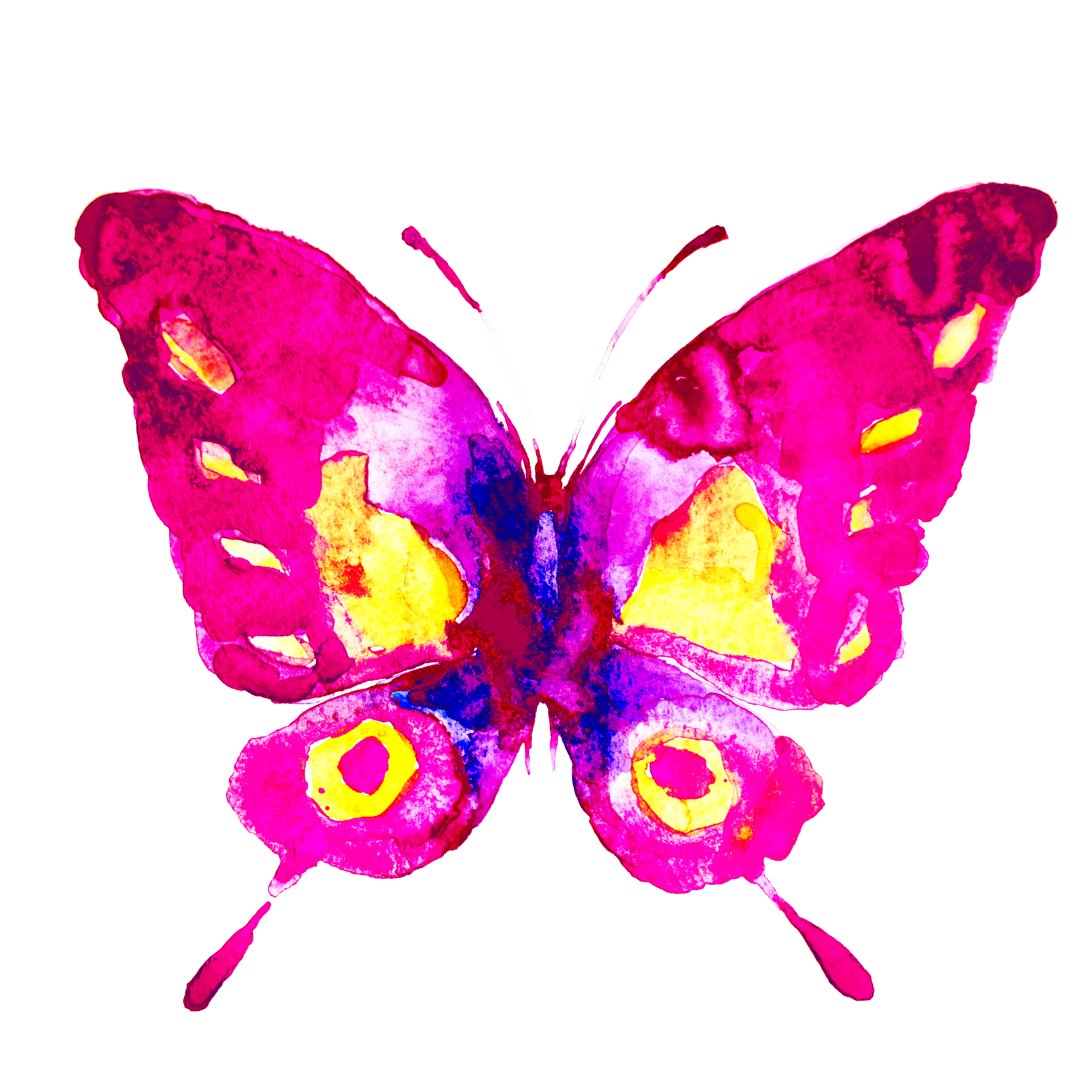
I like butterflies. I know everything about butterflies.
All butterflies die young. Some after an hour, others after a week—a month at most. No butterfly lives longer than a month.
I wonder what it is like to live for only a month.
Do you know how a butterfly dies?
It settles on a flower and dances. It beats its wings so hard they tremble as though freezing with cold. Then the wings close, resting side by side, and the butterfly turns to stone. A coloured figurine. We can admire its beauty more in death than in life.
To my mum, I am a butterfly.
To him, I am a beautiful butterfly.
I like it when he says that, especially because I am the plainest girl in my class. I wrote a poem about it. Mum said it was sweet and naïve. It is called “Moth Among Butterflies”.
He first spoke to me after I read that poem in class.
He told me that I was the beautiful butterfly, really, and that he would show me my true colours—but it had to stay a secret.
I like secrets. They are a grown-up thing. Mum has lots of secrets, and now I have one too.
It is a little like knowing a secret language, without words or sounds—only eyes and smiles. I think he rarely smiles. When we are together, I always have my back to him, sitting on his lap while his fingers tickle me. They remind me of lots of tiny ants running over my skin.
We only see each other at break time. We gossip about my classmates, draw together, tell each other things. His favourite subject is his daughter. We are in the same class, and he wishes we were friends because I am unique, funny, original, and he wishes his daughter were more like me.
Dad never says things like that, and to Mum I am special no matter what.
I want to be liked the way butterflies are. They are delicate and colourful and seem magical, as though they had escaped from a fairy-tale book.
And now I would like to escape too, but I am cold—so cold I cannot move.
It reminds me of winter, when I play without gloves and my fingers look two sizes too big. His fingers look bigger, too big, like a shadow on a wall.
I do not even remember the kiss any more. I think it was nice, like in books, like princesses. It does not matter. Now I can only feel the hands. They are no longer tiny ants but spiders biting my thighs, searching for the dark beneath my skirt.
It hurts, and a shiver runs through me and I shake, hard, so hard. Then suddenly I feel something warm, a thread that seems to slip out of my heart, down my legs, and soak my sock. I stop shaking. He speaks, keeps telling me to stay still, that I must not move because he wants to look at all of me, and I obey while staring at the drawing of a butterfly pinned to the wall.
The Black Jasmine
- Status: Published
(Inspired by the Ed Gein case)
I must not look at her. I do not want to. Better to say I do not want to look at her.
No, better still: I have no desire to look at her.
My hands are in my pockets, my coat long and vampiric. With the fingers of my left hand I crush the hardness between my legs; with my right, I wash the rain from the back of my neck.
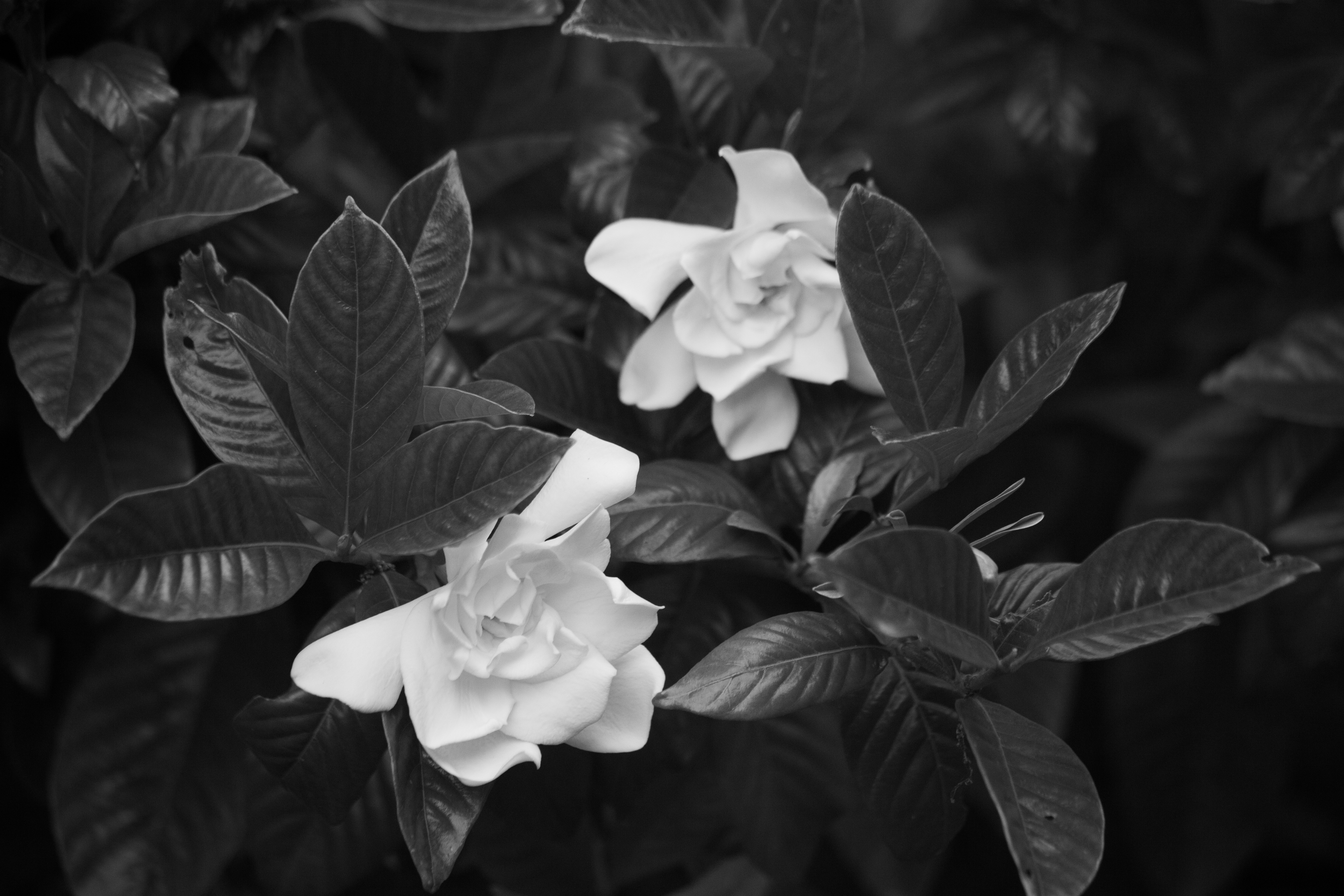
I went out because I missed it. I was not looking for anyone, but when the scent of jasmine seeps into my nostrils, my eyes follow her.
Her shoulders are magnets, moving slowly beneath the skin, and the muscles in my arm tense—hard, determined to tear it from her, curious to caress the bones, the collagen still irrigated by the life that throbs and grows.
She laughed.
Someone is with her, but I see only shadows: blurred photographs of faceless people, drowned in colour and water.
She, instead, is sharp. So clear I could scratch at each pore, blond and purple, healthy and infected. Her hair is a veil falling heavily between her shoulder blades. It is wet, stuck to damp skin.
I walk and realise I am a tongue-tip away from her neck.
She turns.
She has seen me: every part of her face is smiling except her lips.
Her pupils race along my body while my gaze stays fixed on her neck: she scratches a vein with a blue-stained index finger.
I breathe. She holds her breath. I can see it: her chest still, her shoulders low.
Her eyes have changed expression; her brows dress themselves in confusion and concern. The wet down has made a perfect slide from each brow’s tail to its tip, like two corroded pinball flippers.
She stops, legs crossed: she has reached her destination.
I pass her. I walk away.
And now I see her inside my head, still wet, stripped to the bone, immersed in blood, her hanging skin weeping sweat. Her gentle mouth, freed from her face, sewn onto a pillow of jasmine, just like Mum.