Full carousel
PLAYERGE / Escape Rooms for Green Entrepreneurship
A unicorn start-up chases rapid growth and disruption; a garden puts down roots, adapts, and grows as an ecosystem.
play, change reality.
The collaboration ended because of a divergence in values regarding the management of communication.
I introduced a cover system that made each project, theme, and content function immediately recognisable while preserving editorial continuity across very different visual identities.
A unicorn start-up chases rapid growth and disruption; a garden puts down roots, adapts, and grows as an ecosystem.
For EcoAgeing, I chose to address climate change directly, explaining it and connecting it to intergenerational dialogue.
For one of UpGameIn’s themes, I began with a question: we say games are for everyone, but who is left out? I explained why accessibility must be designed from the outset, accounting for different bodies and different ways of participating.
I chose to reveal the hidden side of common foods, using data on water consumption, emissions, and supply chains to make their impact visible.
I challenged the idea of natural talent in STEM, showing how strongly access, representation, support, and fear of failure affect it.
I presented games as educational tools able to accommodate different ways of learning: observing, doing, moving, trying, failing, and collaborating.
A triptych explaining Escape4Change through three questions: what it does, the forms in which it operates, and why it chooses play. The pieces connect social and personal change, European projects, and services, arriving at the core of the method: playing to learn, change, and act upon reality.
In this carousel, I explored play as a biological function, showing how different animals use it to train movement, intelligence, relationships, and problem-solving.
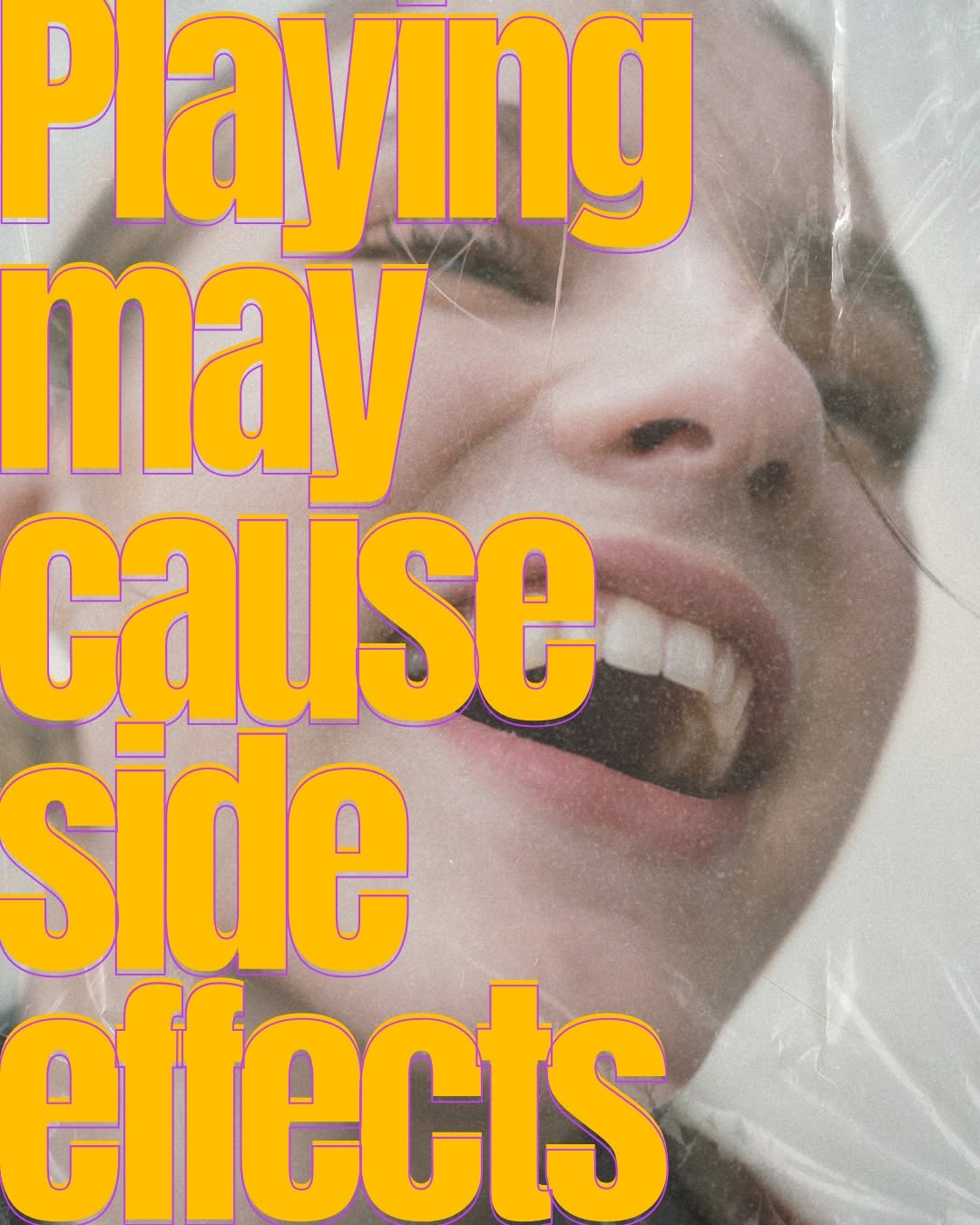
Play produces tangible effects: creativity, problem-solving, and emotional regulation. The ironic tone lightens the message without diminishing the value of the content.
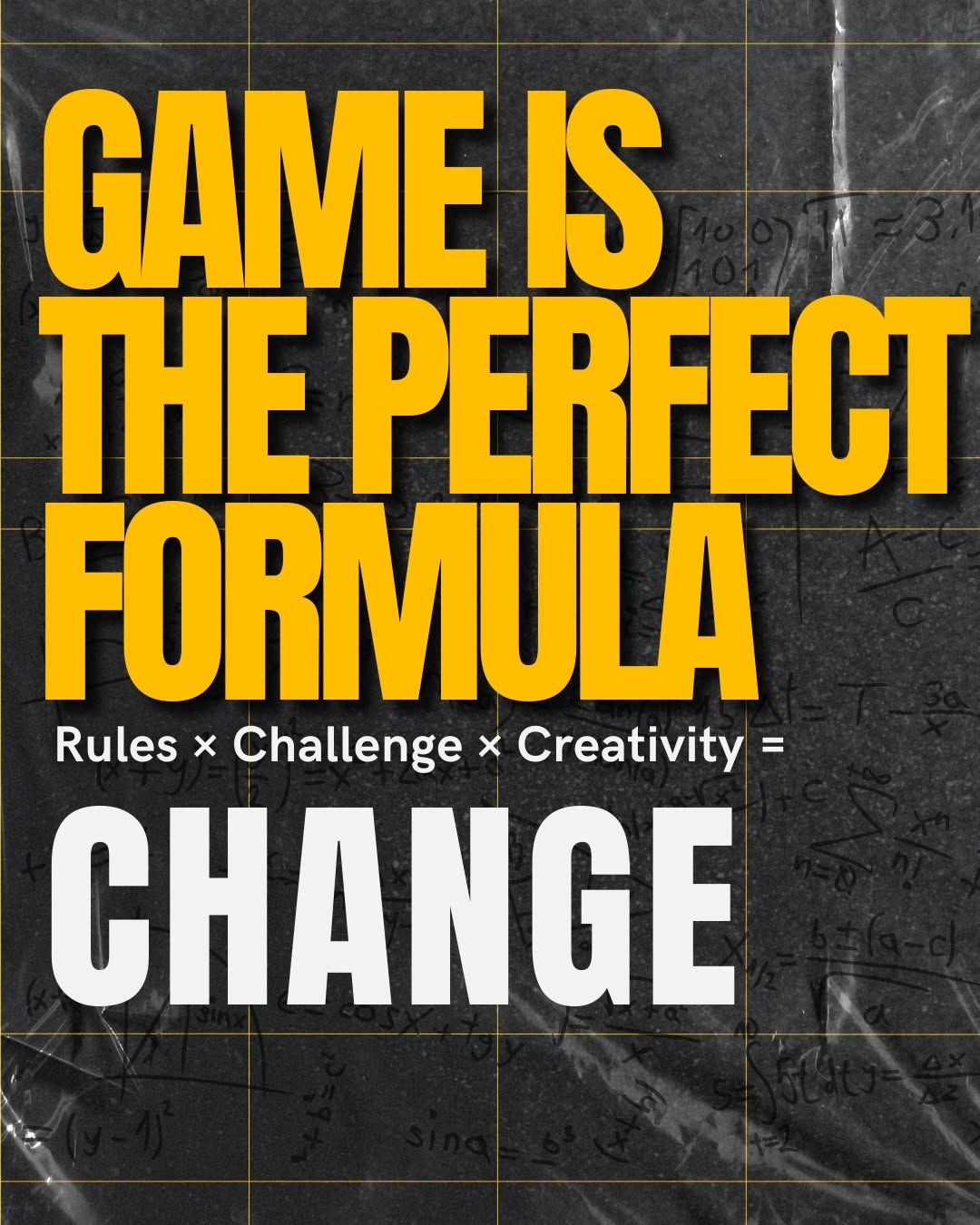
Curiosity, challenge, and creativity become the elements of a formula. The piece presents play as a designed experience, not entertainment left to chance.
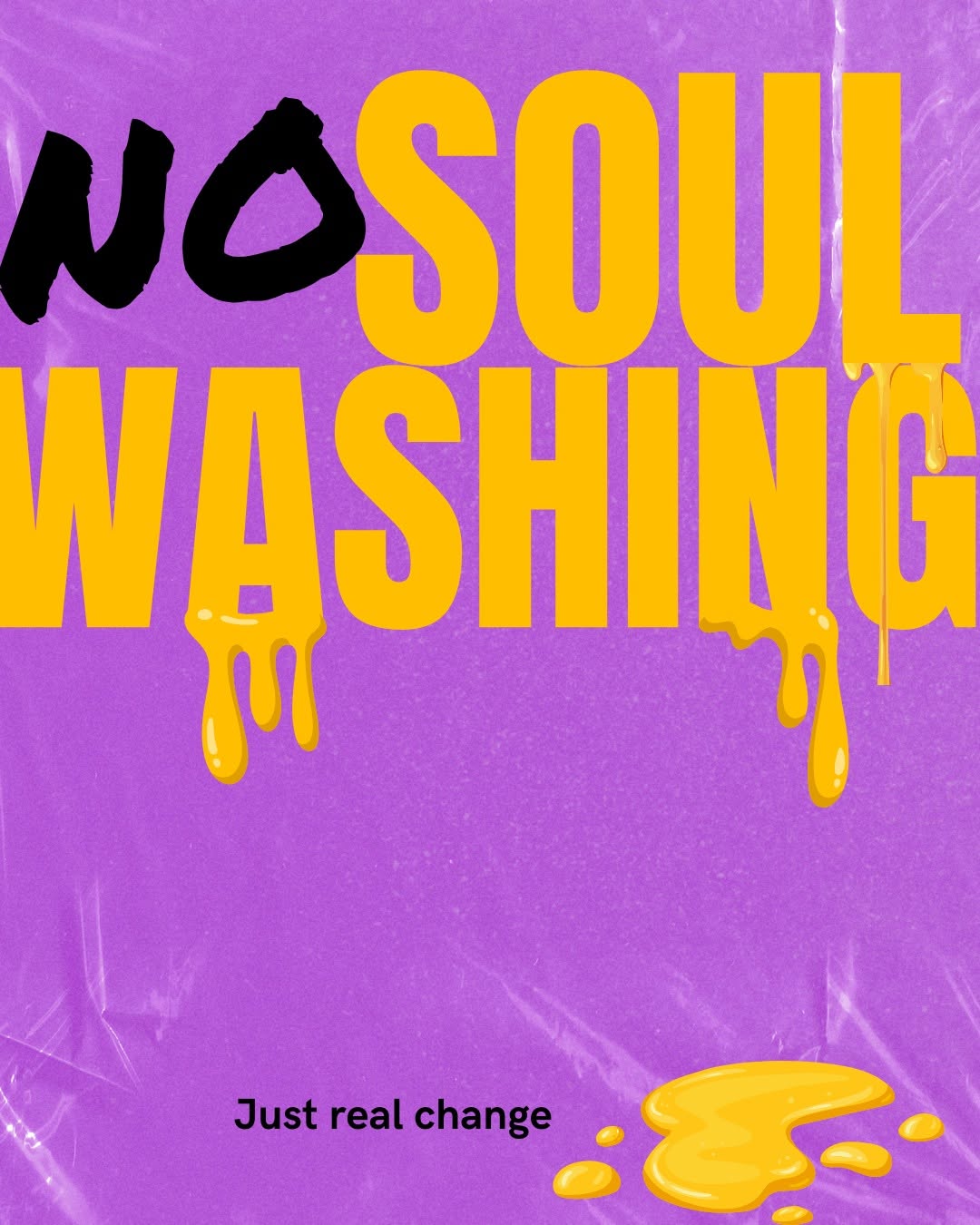
A stance against the superficial use of play to simulate social impact. Change cannot merely be declared; it must be built into the experience.
What appears spontaneous during play grows from rules, feedback, objectives, and design choices. The post makes the method behind the experience visible.
Games make it possible to observe behaviour and decisions in a simulated context, beyond what people say about themselves. The acronym also recalls the Game Boy Advance, connecting assessment with video-game culture.
I began with raw information supplied by the sales team, selected it, rewrote it, and organised it into a narrative. I then designed the visual presentation and, when needed, produced a video guide showing how to use it.
I managed communication for six European projects alongside Escape4Change: around sixteen original pieces per month, in Italian and English, adapted to different channels. The work included research, copy, visual adaptation, publishing, and material revisions.
When a project changed its logo, I reopened previously scheduled materials, replaced the assets, and in some cases prepared content announcing the change.