JASON BOURNE AND NEUROMARKETING
Remember the restaurant scene in Jason Bourne?
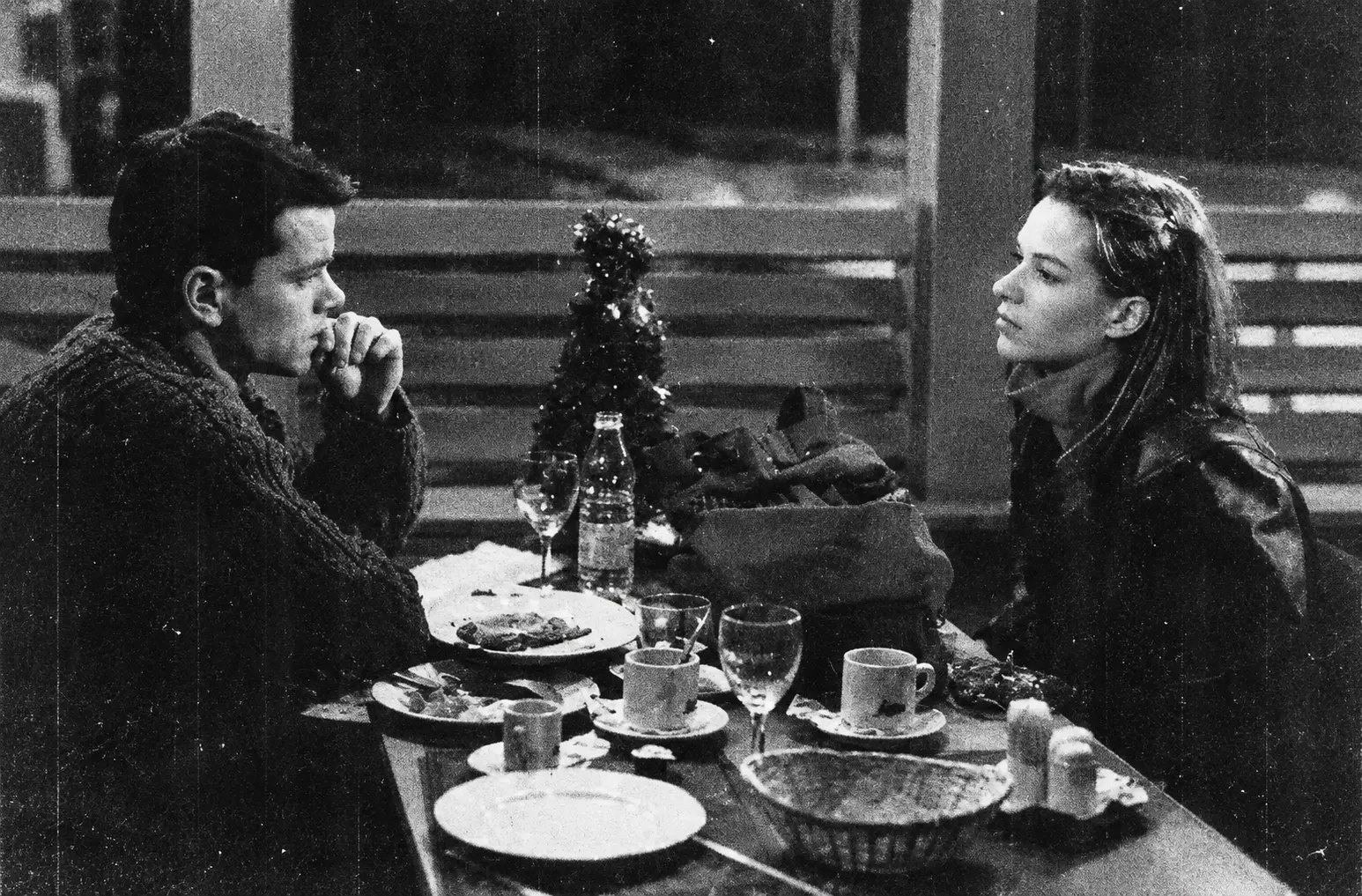
“I can tell you the license plate numbers of all six cars outside. I can tell you our waiter is left-handed. And the guy at the counter weighs 215 pounds and knows how to handle himself.”
Jason Bourne does not observe. He simulates.
He enters a room and builds a map.
Exits. Threats. Coherence. Possible scenarios.
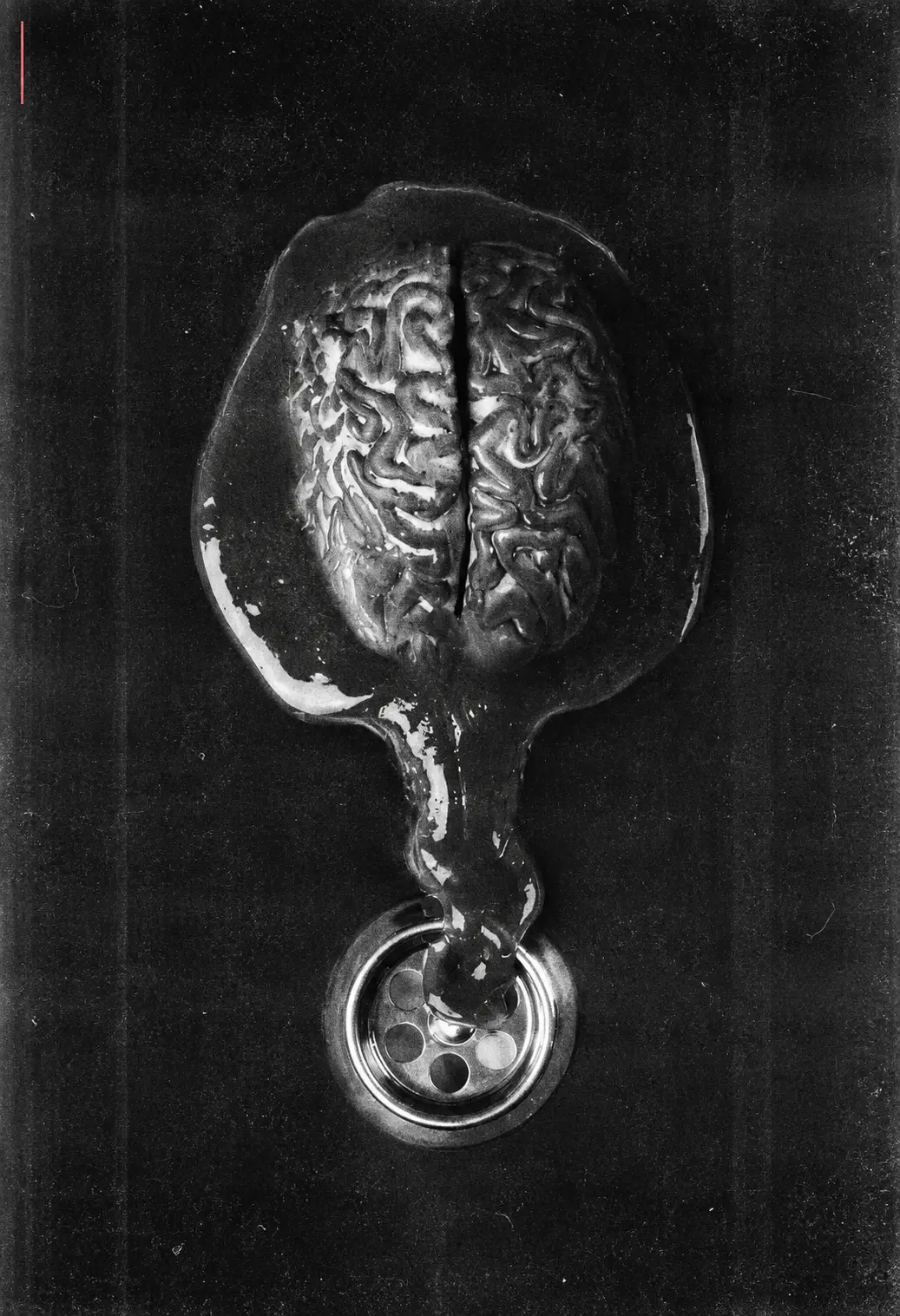
Our brain does exactly the same thing. A small, slimy, damp Jason Bourne.
Whether it is a restaurant, a website, a classroom, a brand, or a product.
It does not read isolated elements. It constructs a prediction.
Before you even say “I like it,” it has already decided whether it is safe, coherent, familiar, compatible with who you are.
Why neuromarketing emerged
For decades, marketing relied on:
surveys, focus groups, interviews, and conscious statements.
The implicit assumption was simple: people know why they choose.
In the 1970s and 1980s, evidence began to accumulate showing the opposite.
People rationalise afterwards. And this is where I laugh, because my therapist tells me the same thing quite often.
Then came the research, neuroscience, and experiments.
I could line up a neat row of academic citations, but that is not the purpose of this reflection.
I am interested in only one thing here: what happens before we begin telling ourselves an explanation.
And this is what happens: the problem is not explaining better. It is understanding what happens first.
Tools emerged to measure what had previously been invisible: eye tracking, EEG, fMRI, and GSR.
All in order to reduce interpretive error. Always our error—human error—because we tend to rationalise, explain, and make sense of things. God, we are tedious!
In short: neuromarketing emerged because the model of the rational human being no longer held up.
Old-school neuromarketing

And then what happens?
The focus shifts to details.
The price ending in 9. The colour that “sells”. The red button instead of the green one. The isolated bias.
All correct.
But by now it has been done to death.
They are shortcuts across a map that has already been built.
For me, the point today lies elsewhere.
It is not enough to know that the brain uses heuristics.
We need to understand that the brain builds architectures of meaning.
The real question
The question is not: How do I get people to click? How do I sell?
The question is: what map will the brain construct when it encounters this system?
If the map is coherent → trust.
If the map is dissonant → friction.
And friction is not removed with a trick. It is removed by redesigning the structure. In short: enough with quick-fix diet pills—let us rethink the diet itself.
When you enter a restaurant, within seconds you assess:
the setting, its coherence, the identity of the place, whether it matches your self-perception, whether it reminds you of your ex or feels far too much like your mother...
The decision is not “I like it” **→ **It is “this place is coherent with who I am.”
Identity is priceless. Yes, there is one thing in my work that has no price: identity.
This is where communication comes in
Narrative is not decoration. It is architecture. I am not a fan of architecture, but I hope you get the idea.
Telling the story is not enough; you must decide how that story will be read.
Writing is not the difficult part. The difficult part is telling the truth well.
Because if the story promises something the experience does not deliver, the map breaks.
And when the map breaks, trust does not return with a campaign.
For me, the point is also moral.
Not telling it well. Telling it true.
The brain reads coherence before it reads words.
The neuromarketing that interests me is not meant to sell more.
It is meant to build systems that do not betray the expectations they create.